Arbitration Case Law Update
February 2021
By: Donna Greenspan Solomon, Esq.
GE Energy Power Conversion Fr. SAS, Corp. v. Outokumpu Stainless USA, LLC, 140 S. Ct. 1637, 1642 (2020). The United Nations Convention on the Recognition and Enforcement of Foreign Arbitral Awards does not conflict with domestic equitable estoppel doctrines that permit the enforcement of arbitration agreements by nonsignatories.
Lavigne v. Herbalife, Ltd., 967 F.3d 1110, 1113 (11th Cir. 2020). In deciding whether equitable estoppel is appropriate, courts must remember the purpose of the doctrine, which is to prevent the plaintiff from having it both ways. The signatory cannot, on the one hand, seek to hold the non-signatory liable pursuant to duties imposed by the agreement, which contains an arbitration provision, but, on the other hand, deny arbitration’s applicability because the defendant is a non-signatory.
Gherardi v. Citigroup Glob. Mkts., Inc., 975 F.3d 1232 (11th Cir. 2020). Because arbitrators’ decision was an interpretation of the parties’ contract, in accordance with 9 U.S.C.S. § 10(a)(4), rather than an expansion of the arbitrable issues, the district court erred in substituting its own legal judgment).
EGI-VSR, LLC v. Coderch, 963 F.3d 1112, 1115 (11th Cir. 2020). The Federal Arbitration Act implements the Inter-American Convention on International Commercial Arbitration (Panama Convention), which provides that a federal court must confirm an arbitration award unless it finds one of the following grounds for refusal or deferral of recognition or enforcement of the award: (1) incapacity or invalidity of the agreement, (2) lack of notice, (3) that the decision concerns a non-arbitrable dispute, (4) violation of the arbitration agreement or relevant law in carrying out the arbitration, (5) that the decision is not yet binding on the parties or has been annulled or suspended, (6) that the subject of the dispute cannot be settled by arbitration under the law of the State of recognition, or (7) that the recognition or execution of the decision would be contrary to the public policy (ordre public) of the State of recognition.
Ga.-Pacific Consumer Ops., LLC v. United Steel, Paper & Forestry, Rubber, Mfg., Energy, Allied Indus. & Serv. Workers Union, Loc. 9-0952, No. 20-10646 (11th Cir. Nov. 20, 2020). A federal court’s review of an arbitration award is extremely narrow. Because the parties have contracted to have disputes settled by an arbitrator rather than a judge, they have agreed to accept the arbitrator’s view of the facts and the meaning of the contract. The limited review of arbitral decisions “maintains arbitration’s essential virtue of resolving disputes straightaway.” If the arbitrator arguably constructed the contract at all, the arbitrator’s construction holds, “however good, bad, or ugly.”
Young v. Grand Canyon Univ., Inc., No. 19-13639 (11th Cir. Nov. 16, 2020). University was precluded from enforcing a pre-dispute arbitration agreement with respect to a student’s breach of contract and misrepresentation claims because these claims constituted “borrower defense claims” under 34 C.F.R. § 685.300(i)(1), which, under Obama-era regulations, prohibited schools from entering into or relying on pre-dispute arbitration agreements and class-action waivers with students “with respect to any aspect of a borrower defense claim.”
Massa v. Michael Ridard Hosp’y LLC, 45 Fla. L. Weekly D1979 (Fla. 3d DCA August 19, 2020). Trial court erred by not holding evidentiary hearing prior to entering order compelling nonsignatories to employment agreement to arbitrate because there was no evidence that permitted trial court to compel nonsignatories to arbitrate their disputes, as nonsignatories disputed facts that would have permitted trial court to find otherwise.
Cooper v. Rehab. Ctr. at Hollywood Hills LLC, 45 Fla. L. Weekly D2384 (Fla. 4th DCA October 21, 2020). An order compelling arbitration of the resident’s claims against the rehabilitation center was proper because the resident’s claims arose out of, or were related to, the contract, and any doubts as to the scope of the arbitration agreement were resolved in favor of arbitration. The center agreed to provide nursing care at the facility in return for payment and the resident’s claims arose out of failure to provide appropriate nursing care and to provide for her well-being after a hurricane; the resident’s entire relationship with the center was based upon their agreement, and her claims involved what she alleged that it failed to do in providing those services and protecting her.
Bailey v. Women’s Pelvic Health, Ltd. Liab. Co., 45 Fla. L. Weekly D2604 (Fla. 1st DCA November 18, 2020). Trial court correctly limited itself to deciding only whether employer’s claim was subject to arbitration, without deciding merits of employee’s claim, because employee’s view of facts provided no cause for scuttling parties’ agreement to arbitrate any claims “arising out of or related to” their agreements.
Donna Greenspan Solomon was the first attorney certified by The Florida Bar as both Business Litigator and Appellate Specialist. Donna is a Member of the AAA’s Roster of Arbitrators (Commercial Panel). She is a FINRA-Approved and Florida Supreme Court Qualified Arbitrator. She is also a Certified Circuit, Appellate, and Family Mediator. Donna is a Member of the Florida Supreme Court Committee on Standard Jury Instructions—Contract and Business Cases. Donna can be reached at (561) 762-9932 or [email protected] or by visiting www.solomonappeals.com.
FLORIDA SUPREME COURT DISCIPLINES 11 ATTORNEYS
Summaries of orders issued from December 28, 2020, to January 21, 2021
The Florida Bar, the state’s guardian for the integrity of the legal profession, announces that the Florida Supreme Court in recent court orders disciplined nine attorneys, disbarring four, suspending six and reprimanding one. One attorney was placed on probation.
As an official arm of the Florida Supreme Court, The Florida Bar and its Department of Lawyer Regulation are charged with administering a statewide disciplinary system to enforce Supreme Court rules of professional conduct for the more than 108,000 members of The Florida Bar. Key discipline case files that are public record are posted to attorneys’ individual online Florida Bar profiles. To view discipline documents, follow these steps. Information on the discipline system and how to file a complaint are available at www.floridabar.org/attorneydiscipline.
Court orders are not final until time expires to file a rehearing motion and, if filed, determined. The filing of such a motion does not alter the effective date of the discipline. Disbarred lawyers may not re-apply for admission for five years. They are required to go through an extensive process that includes a rigorous background check and retaking the Bar exam. Attorneys suspended for periods of 91 days and longer must undergo a rigorous process to regain their law licenses including proving rehabilitation. Disciplinary revocation is tantamount to disbarment.
Frank T. Blainey, 455 Alt. 19 S., G107, Palm Harbor, suspended for 91 days and probation for three-years effective 30 days following a Dec. 28, 2020, court order. (Admitted to practice: 2006) In 2016, Blainey was drinking socially with a client, resulting in a physical altercation. On July 20, 2018, Blainey was convicted of misdemeanor battery. In addition to being intoxicated at the time of the incident, Blainey has a history of DUIs and issues with alcohol. After his arrest, Blainey failed to provide The Bar with updates regarding his criminal case. (Case No: SC19-372)
Lisbeth A Freeman, P.O. Box 6867, Fort Myers Beach, disbarred, effective immediately because of her current suspension. (Admitted to practice: 2014) Freeman was hired to assist in the probate matter of a client’s deceased wife’s estate. Freeman filed a Petition for Administration along with the death certificate and a will but failed to take any further action on the court file and failed to communicate with the client. Freeman abandoned representing the client and relocated to Pennsylvania without withdrawing from the case or notifying the client. She failed to respond to The Florida Bar and failed to participate in the disciplinary proceeding. (Case No: SC20-892)
George Crosby Gaskell, III, P.O. Box 1111, Stuart, public reprimand and required to complete Ethics School effective Jan. 25 following a Jan. 7 court order. (Admitted to practice: 2007) Gaskell filed or attempted to file a series of unsuccessful or insufficient bankruptcy petitions in an attempt to save his home from foreclosure. Four were dismissed because of technical errors or Gaskell’s failure to properly prosecute the proceeding. Three were not accepted by the clerk of court because of technical deficiencies. Gaskell’s unsuccessful efforts to pursue a bankruptcy or negotiate a loan modification caused repeated delays in finalizing the foreclosure case. (Case No: SC20-1005)
Joseph Wimbert Gibson Jr., 19 W. Flagler St., Suite 417, Miami, suspended for six months, effective 30 days following a Jan. 21 court order. (Admitted to practice: 1982) Gibson was retained to appeal a conviction but instead filed an insufficient Anders brief to withdraw from the criminal case. He was sanctioned for failing to assist the client in obtaining a substitute counsel as the court-ordered three times. Gibson failed to communicate with his client that there was no arguable merit to his case before the brief was filed, and delayed providing a copy of the appeal record to him despite being ordered to do so five times. (Case No: SC19-792)
Stephen Michael Jones, 390 N. Orange Avenue, Suite 2300, Orlando, suspended effective immediately following a Jan. 8 court order. (Admitted to practice: 2015) Jones was found in contempt for failing to respond to an official Bar inquiry. He also failed to respond to the Court’s Order to Show Cause in this matter. Jones is currently on emergency suspension, effective Dec. 9, 2020, in Case No. SC20-1593. A petition for emergency suspension is granted by the Florida Supreme Court when The Florida Bar presents clear and convincing evidence that a lawyer appears to be causing great public harm (see Rule 3-5.2(a)) and also constitutes a formal complaint so that the matter is fully investigated and a final disciplinary action is ordered. (Case No: SC20-1406)
Allison Kelliher, 293 Knotty Wood Lane, Wellington, suspended, effective 30 days following a Jan. 6 court order. (Admitted to practice: 2008) Kelliher failed to respond to Bar inquiries and the Florida Supreme Court’s order to show cause. She is suspended until she fully responds in writing to the Bar inquiry, and until further order of the Court. (Case No: SC20-1622)
Edward Juan Lynum, 6813 County Road 219, Wildwood, disbarred effective immediately following a Jan. 21 court order. (Admitted to practice: 2005) During personal litigation proceedings, Lynum repeatedly made statements that disparaged the judiciary, opposing counsels and other litigants and parties. Lynum also failed to comply with court orders, and he filed frivolous federal lawsuits. In the disciplinary proceeding, Lynum failed to appear for his scheduled sworn statement and scheduled court appearances, failed to respond to the Bar’s complaint and discovery requests, and failed to appear for the sanction hearing. (Case No: SC20-746)
Beth Ann Maliszewski, P.O. Box 2425, Fort Myers, disbarred, effective immediately because of the current suspension. (Admitted to practice: 2001) Maliszewski is a party in a paternity action involving visitation and paternity rights over her child. After becoming aware of a potential paternity action, Maliszewski filed an injunction against the child’s prospective father and had him arrested, resulting in him receiving a no contact order with the child. On the day the paternity action was filed, Maliszewski, via counsel, voluntarily dismissed the Petition for Injunction. Maliszewski avoided service in the paternity action, refusing to appear in court. She stopped working, turned off her phone and disappeared with the child. In a second matter, Maliszewski was appointed and paid $1,000 for a Guardian ad Litem family law matter and failed to fulfill her duties. She did not respond to The Florida Bar or participate in the disciplinary proceeding. (Case No: SC20-813)
George Edward Ollinger, III, 100 Rialto Place, Suite 700, Melbourne, suspended by petition for emergency suspension effective 30 days following a Jan. 19 court order. (Admitted to practice: 1977) Ollinger engaged in patterns of misconduct, including, but not limited to, misappropriating client’s funds, commingling attorney and client funds, and engaging in conflicts of interest. A petition for emergency suspension is granted by the Florida Supreme Court when The Florida Bar presents clear and convincing evidence that a lawyer appears to be causing great public harm (see Rule 3-5.2(a)) and also constitutes a formal complaint so that the matter is fully investigated and a final disciplinary action is ordered. (Case No: SC21-28)
Andrew Spark, 13201 Roosevelt Ave., PMB 818085, Flushing, N.Y., disbarred retroactive to July 15, 2019, when he was suspended because of a felony conviction, following a. Jan. 21 court order. (Admitted to practice: 1991) Spark abused his privilege to practice law and used his law license to engage in deception with the intent to access private rooms provided to attorneys in two separate jail facilities for the purpose of soliciting prostitution. Spark video recorded these encounters with the goal of creating an adult pornographic film for his own prurient and/or financial interest. He pleaded guilty to three separate charges and was sentenced in each case to probation. (Case No: SC19-1163)
Barbara Jean Throne, P.O. Box 303, Blountstown, 91-day suspension plus attendance at Ethics School and Professionalism Workshop prior to reinstatement, effective 30 days following a Jan. 7 court order. (Admitted to practice: 1988) After filing a notice of appeal in her client’s criminal case, Throne failed to diligently represent her client and to adequately communicate with him. Throne failed to respond to numerous communications from the First District Court of Appeal to comply with court rules and orders resulting in the dismissal of her client’s appeal. Throne also failed to reply to the Bar’s disciplinary complaint and did not comply with the Referee’s pretrial order. (Case No: SC20-537)
FLORIDA BAR SEEKING APPLICANTS FOR STATEWIDE NOMINATING COMMISSION FOR JUDGES OF COMPENSATION CLAIMS
The Florida Bar is seeking applicants for:
Statewide Nominating Commission for Judges of Compensation Claims: Two lawyers from the territorial jurisdictions of the Second and Fourth state appellate districts to serve four-year terms commencing July 2, 2021. All applicants must be members of The Florida Bar who are engaged in the practice of law. No attorney who appears before any judge of compensation claims more than four times a year is eligible to serve on the commission, pursuant to F.S. §440.45(2)(b). Commissioners also are not eligible for state judicial vacancies filled by the Judicial Nominating Commission on which they sit for two years following the expiration of their term. Commissioners are subject to Florida financial disclosure laws. Meetings and deliberations are open to the public.
Persons interested in applying for these vacancies may click here to download the Application for Special Appointment or should contact Kristen Wilson at (850) 561-5757 or [email protected], to obtain the application form. Completed applications must be received by the Executive Director, The Florida Bar, 651 East Jefferson Street, Tallahassee, Florida, 32399-2300 or submitted via e-mail to [email protected] no later than the close of business on Friday, February 12, 2021. Resumes will not be accepted in lieu of the required application. The Board of Governors will review all applications and may request telephone or personal interviews.
ADMINISTRATIVE ORDER 12.510-1/2021.19 COVID-19 MITIGATING MEASURES
Please note that additions are denoted in bold and deletions are denoted with a strikethrough.
Please click here to access this AO.
CHIEF JUDGE MARX ANNOUNCES MARCH TRIAL SCHEDULE
The Chief Judge has announced the March Trial Schedule. The number of jurors being called in to serve has been reduced. The dates and divisions holding the trials are as follows:
March 1-March 31, 2021:
- Mondays are reserved for Circuit Criminal trials
- Tuesdays are reserved for County Court trials (all case types)
- Wednesdays are reserved for Circuit Civil trials
- Thursdays are reserved for Circuit Criminal trials
- Fridays are reserved for special panels. These panels will be for one trial and one judge.
Pre voir dire will take place in the jury assembly room which has a seating capacity of 70 based on social distancing guidelines. The pre voir dire eliminates individuals who cannot speak the language, have COVID anxiety, or other unavoidable scheduling issues.
The Clerk’s office will continue to question prospective jurors outside of the building regarding the COVID questions before they enter the jury assembly room.
Trial dates scheduled for the remainder of the month and for February are listed on the 15th Circuit Courts website at www.15thcircuit.com.
ADMINISTRATIVE ORDER 5.104-01/2021 | IN RE: APPOINTMENT OF MAGISTRATES UNIFIED FAMILY COURT CASES
Click here to read the AO.
21 LAWYERS WILL RECEIVE FLORIDA BAR PRO BONO AWARDS IN SUPREME COURT CEREMONY JAN. 28
The Florida Bar will recognize 21 lawyers for their work on behalf of low-income and disadvantaged clients at a Jan. 28 ceremony streamed live online by the Supreme Court of Florida.
Established in 1981, The Florida Bar President’s Pro Bono Service Awards are intended to encourage lawyers to volunteer free legal services to the poor by recognizing those who make public service commitments and to raise public awareness of the substantial volunteer services provided by Florida lawyers to those who cannot afford legal fees. Florida Bar President Dori Foster-Morales will present the 2021 awards.
The awards recognize pro bono service in each of Florida’s 20 judicial circuits as well as service by one Florida Bar member practicing outside the state of Florida. They are presented annually in conjunction with the Tobias Simon Pro Bono Service Award which is given by the chief justice of the Florida Supreme Court. Awards recognizing pro bono contributions also will be presented in the categories of Voluntary Bar, Law Firm, Young Lawyers Division, Distinguished Judicial Service and Distinguished Federal Judicial Service.
In the most recent reporting period from July 1, 2019, to June 30, 2020, Florida lawyers provided more than 1.2 million hours of pro bono services to those in need $6.3 million to legal aid organizations.
This year’s ceremony is scheduled for Thursday, Jan. 28, at 3:30 p.m. Watch it live on Facebook, WFSU: Gavel to Gavel and the Florida Channel, as well as on YouTube.
A full version of each of the honoree’s accomplishments can be found here.
Here are the 2021 circuit honorees. Honorees’ photographs are linked.
Christa Diviney (photo)
1st Judicial Circuit (Escambia, Okaloosa, Santa Rosa and Walton counties)

Christa Diviney, a Board Certified Criminal Trial lawyer, has volunteered 495 hours of pro bono work since joining the firm of Matthews & Jones, LLP, in 2018. For nine years, she worked prosecuting computer crimes and crimes against children in the 14th Judicial Circuit State Attorney’s office. Protecting children is the focus of Diviney’s pro bono work. In 2019, she was awarded the Excellence in Advocacy Award by the Florida Statewide Guardian ad Litem Office. “I am honored Guardian ad Litem recognized my work,” she said at the time. “Representing children’s interests helps ensure that a vulnerable population doesn’t suffer further infringement of rights.” Volunteer work for Diviney includes speaking to attorneys, representatives of law enforcement and government agencies, and local community members on various topics relating to child exploitation, law enforcement investigations, and litigation processes. Diviney earned her J.D. degree from the University of Florida, Levin College of Law, in 2008 and a Master of Arts in Mass Communications the same year.
Lynwood F. Arnold, Jr. (photo)
2nd Judicial Circuit (Franklin, Gadsden, Jefferson, Leon, Liberty and Wakulla counties)
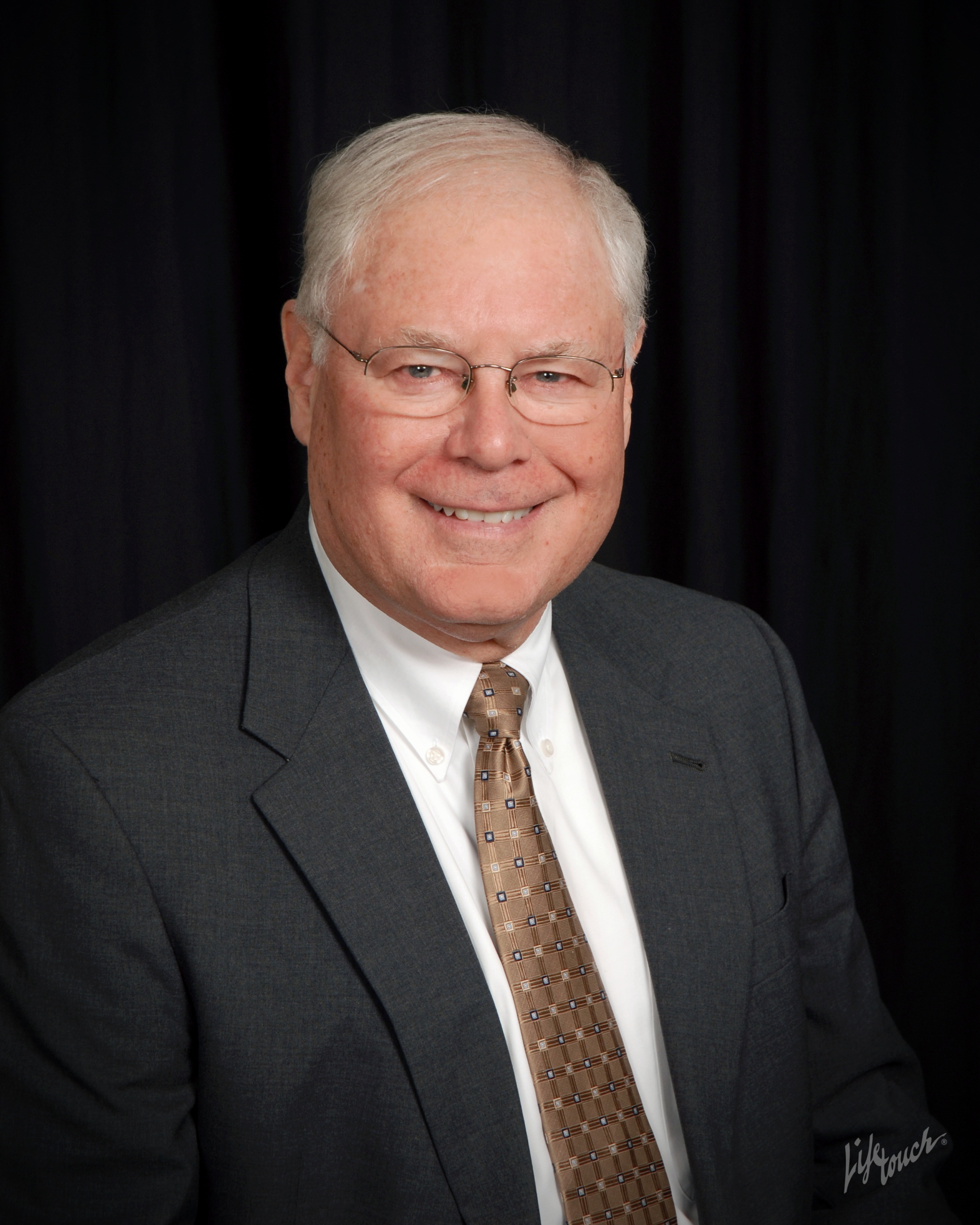
Lynwood Arnold was a member of the Board of Directors of the Legal Aid Foundation of Tallahassee at the time of his death in August 2020. Arnold served on the Legal Aid Foundation of Tallahassee’s Promise Zone and Mobile Law for All committees and was instrumental in creating and implementing these out-of-the box programs that have made significant changes in the way pro bono services are provided in Leon County to the most vulnerable populations. For the Legal Aid Foundation of Tallahassee, Arnold provided more than 1,500 hours in direct pro bono services since 2015, which is when record-keeping started. He was an active volunteer with the program before then, too, so that number is much higher. When faced with the COVID-19 epidemic, Arnold was one of the first people to create a statewide model to deliver eviction relief and legal services to those in need. Working with the Real Property, Probate, and Trust Law Section, of which he was a long-time member, the Florida Attorneys Counseling on Evictions (FACE) program was created.
John P. Booth (photo)
3rd Judicial Circuit (Columbia, Dixie, Hamilton, Lafayette, Madison, Suwannee and Taylor counties)

John P. Booth retired as assistant general counsel of the Florida Department of Law Enforcement (FDLE) in 2016 but didn’t retire from helping those in need. After his 33-year career serving the citizens of Florida, Booth began serving the low-income community of North Florida by volunteering as a pro bono attorney. As a volunteer with Three Rivers Legal Services, Inc. (TRLS), Booth provides legal assistance to many clients each year by conducting legal research; reviewing criminal records; providing legal advice; and drafting FDLE applications and court pleadings. During the past four years, Booth assisted 73 clients seeking to clear their criminal histories in order to obtain gainful employment and/or decent affordable housing. Booth has contributed approximately 46 hours of legal service to the low-income community of the Third Judicial Circuit in the past year alone. Booth earned his J.D. degree in 1979 from the University of Florida and his Bachelor of Arts in English in 1971 from Florida State University.
Carrington Madison Mead (Photo)
4th Judicial Circuit (Clay, Duval and Nassau counties)
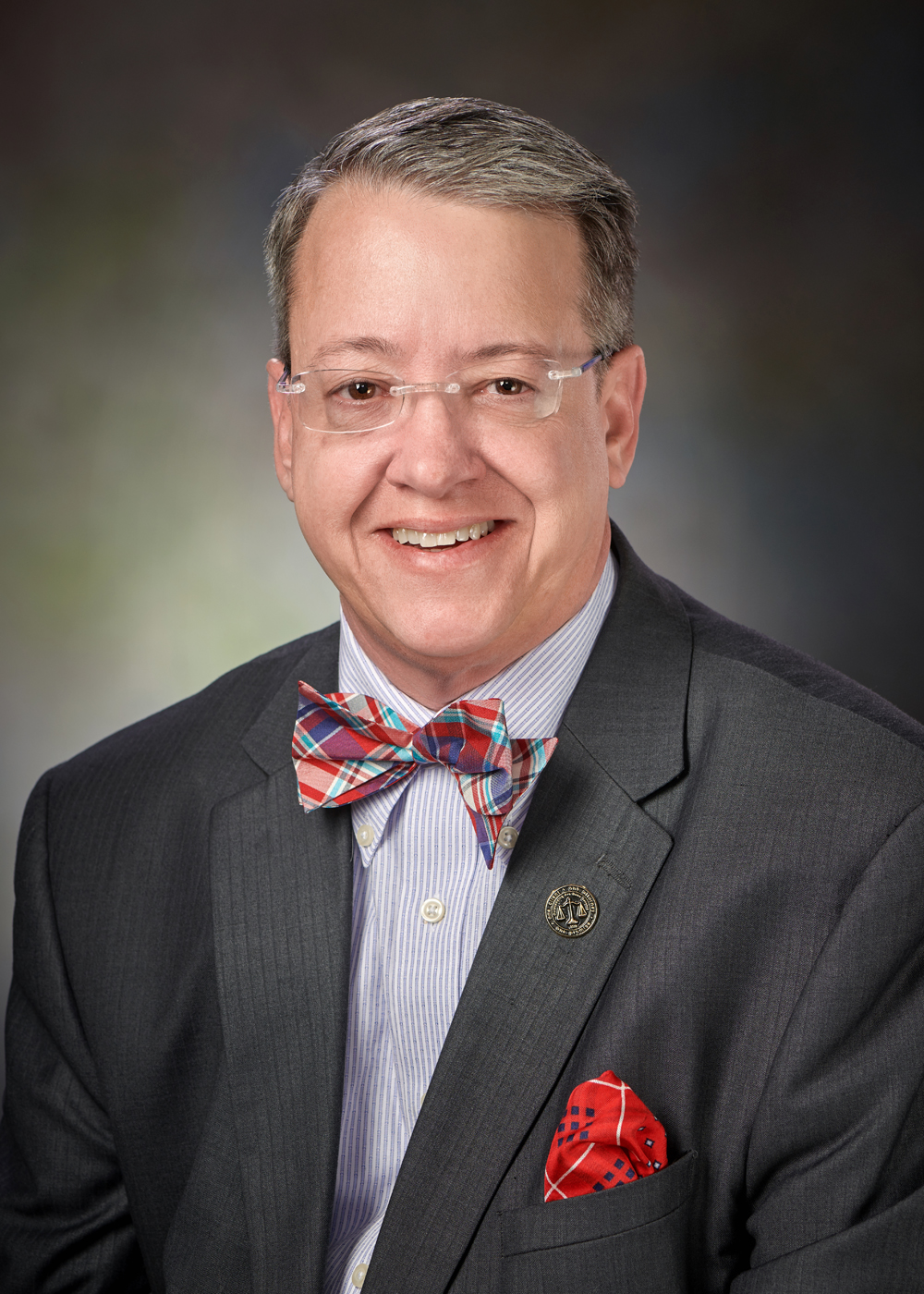
Carrington “Rusty” Madison Mead is a passionate advocate for people in need in his community as well as throughout the state of Florida. Mead has been volunteering with Jacksonville Area Legal Aid for almost 20 years and has participated in many pro se assistance clinics, group information clinics, and Ask-A-Lawyer, free, legal advice clinics. Mead has donated almost 470 hours of pro bono time through his assistance with approximately 80 separate outreach and clinic events and almost 80 full representation cases. He is a founding member of the Florida Association of LGBT Lawyers and Allies. He helped create the bimonthly Name Change Clinic and serves as the expert resource for this clinic. Mead is also a referral attorney for the Lambda Legal Defense Fund, American Civil Liberties Union and GLAAD. Mead also assists with the Guardian ad Litem’s Defending Best Interest Project and now in his third year of volunteering with the DBI Project, has spent approximately 95 hours on 12 cases. He “has demonstrated a profound level of commitment and support to individuals with need in our local community,” said Angela M. Scott, of Jacksonville Women Lawyers Association, “as well as to helping further the education and advancement of young lawyers in their pursuit of helping others.”
Matthew C. Frey (photo)
5th Judicial Circuit (Citrus, Hernando, Lake, Marion and Sumter counties)
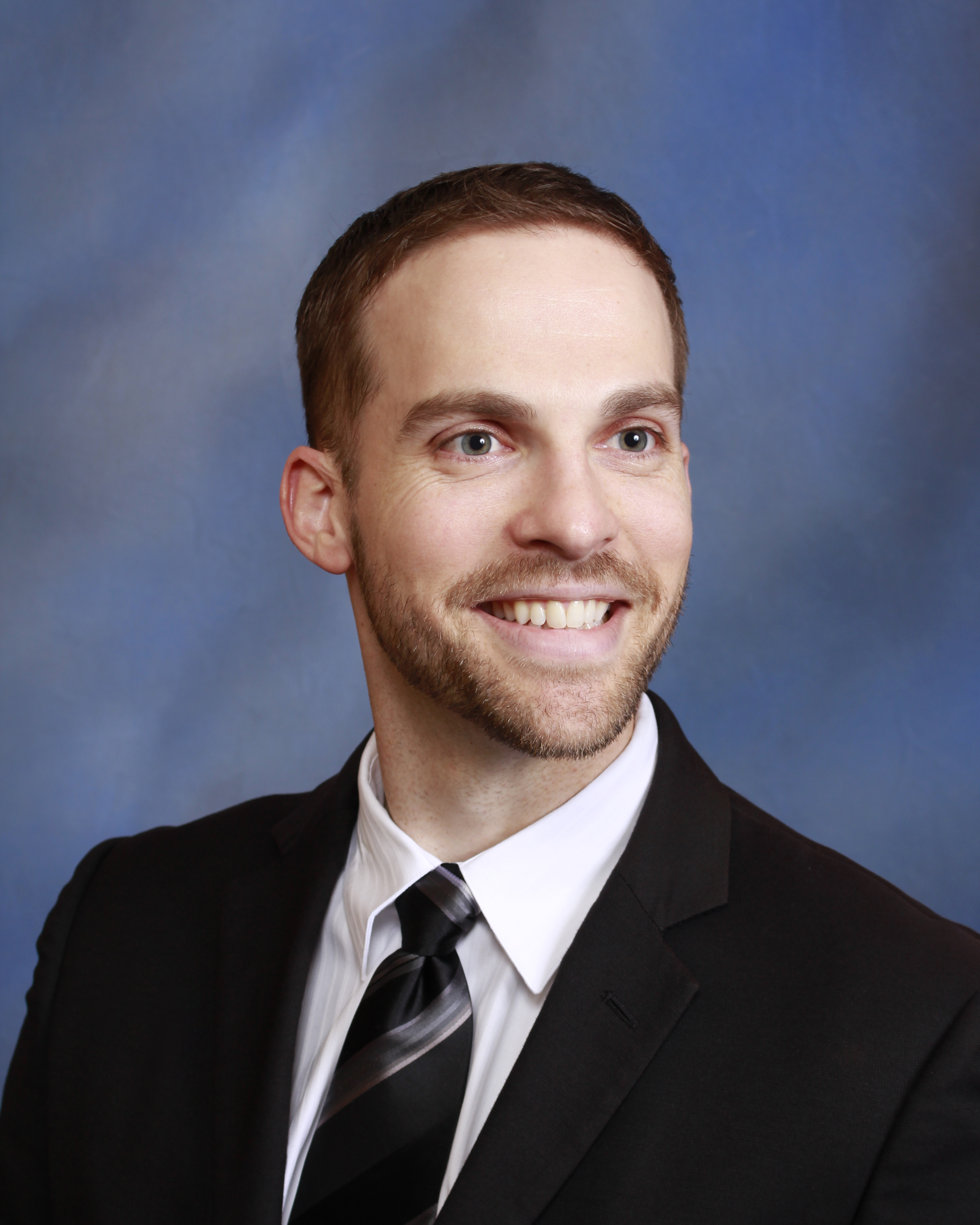
Matthew C. Frey obtained his J.D. degree from the University of Florida. He currently works with Campione & Hackney, P.A., in Tavares, the same firm where he has worked since he graduated. Frey practices in a variety of civil law areas, including bankruptcy and real estate litigation. Since November 2018, Frey has been a volunteer with Community Legal Services of Mid-Florida, Inc. Frey has regularly participated with their mobile helpline, taken full representation cases and conducted recurring bankruptcy clinics in Lake County until COVID-19 required all in-person clinics to be canceled. During that time, Frey donated almost 200 hours of pro bono legal services to low-income clients. In 2019, he was recognized by Community Legal Services as the Lake County Pro Bono Attorney of the Year. Despite the numerous complications posed by COVID-19, Frey continues to provide legal advice in a virtual clinic setting and full representation in Chapter 7 bankruptcies. He is one of the few pro bono attorneys who has provided full representation in Chapter 13 bankruptcy cases.
Mary Ellen Murphy Borja (photo)
6th Judicial Circuit (Pasco and Pinellas counties)

Mary Ellen Borja is selfless, passionate and giving according to those she works with at Bay Area Legal Services – Volunteer Lawyers Program (Northwest). Since the inception of their program in 2015, Borja has been a dedicated volunteer staffing the Domestic Violence Intake at The Haven Domestic Violence Shelter. This work includes consultations, assistance with pro se pleadings, limited representation, and full representation for those most needy. One client was a single mother of toddler twins who needed the services of a domestic violence shelter. Borja not only provided her a consultation for a divorce, but also for a domestic violence injunction for protection case. Borja helped the client navigate the judicial system to ensure her safety and the safety of her children. She provided approximately 12.5 hours for both cases. In 2019 alone, Borja provided more than 50 hours of pro bono services through intake clinics, local community events, and legal fairs. Borja’s commitment to closing the gap to justice is evident. She is always eager to help and assist when the need arises.
Rachael Greene (photo)
7th Judicial Circuit (St. Johns, Volusia, Flagler and Putnam counties)
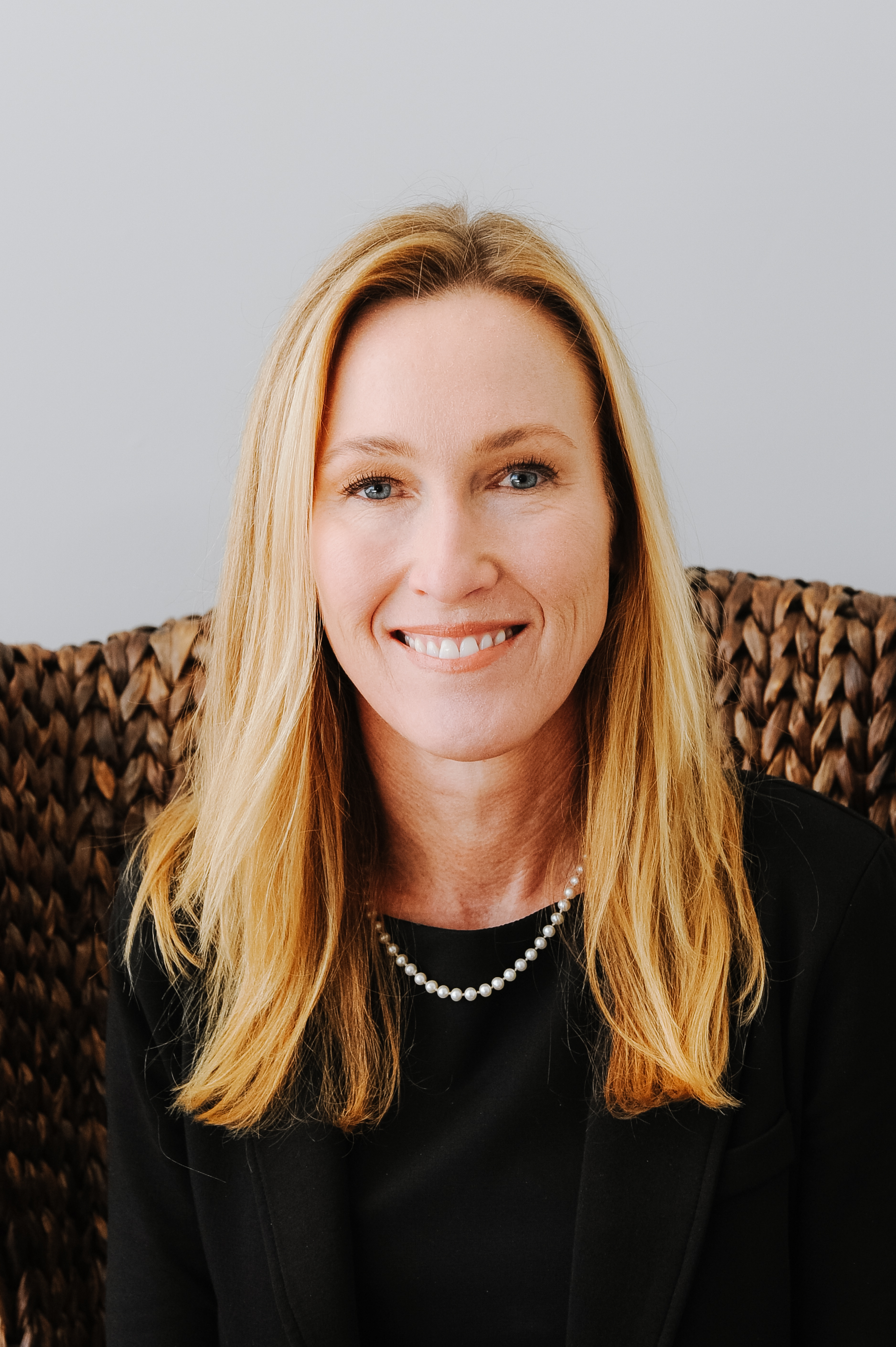
Rachael Greene has given an estimated 47 total hours and taken on five pro bono cases with the Guardian ad Litem Program in just the last 12 months. In one case, Greene was Pro Bono Attorney ad Litem for a 3-year-old, non-verbal child. She visited with the child, his siblings and his mother in her home and visited the child at his daycare. She worked closely with the GAL volunteer, Child Advocate Manager, and the Department of Children and Families Dependency Case Manager to obtain appropriate services for the child. She successfully advocated for the child’s wishes in court. In addition to her GAL work, Greene was also pro bono attorney for a victim of domestic violence in her dissolution of marriage as the legal aid agency in Volusia County did not have funding to take the case. Greene represented the woman in court, at mediation, filed pleadings on her behalf, communicated with her attorney in the dependency case, and, of course, met and talked with her regularly. Greene earned her J.D. degree from Florida State University College of Law in 1998 and is an attorney with St. Johns Law Group. For the past decade, Greene has focused on family law issues.
Susan L. Mikolaitis (photo)
8th Judicial Circuit (Alachua, Baker, Bradford, Gilchrist, Levy and Union counties)

Susan L. Mikolaitis has been a pro bono volunteer with Three Rivers Legal Services for more than 11 years. She is an enthusiastic advocate for the needs of the poor, less advantaged and disenfranchised. During her time with Three Rivers Legal Services, Mikolaitis has provided more than 200 volunteer hours representing and assisting pro bono clients as well as participating in Advance Directives Clinics at rural senior centers. In addition to providing a valuable service, Mikolaitis brings clarity and laughter to a serious decision-making process. Many of Mikolaitis’ pro bono clients live in rural communities and counties where there are limited legal resources. Mikolaitis has spearheaded a project to provide Advance Directives to school personnel who are on the front lines, interacting with students and parents as our schools have reopened due to the COVID-19 shut down. Mikolaitis is a 2003 graduate of the University of Florida Levin College of Law and is currently an attorney at Bingham & Mikolaitis, P.A., in Alachua.
Beth Kathryn Roland (photo)
9th Judicial Circuit (Orange and Osceola counties)

Beth Roland is one of the Guardian ad Litem’s most outstanding pro bono attorneys. A partner at a busy family law firm, Roland still consistently drafts high-quality, insightful briefs for the GAL Program. Roland was one of the project’s earliest volunteers and she continues to take cases. Since June 2017, Roland has donated more than 286 hours to brief 23 cases for the Defending Best Interests Project. Roland is a tremendous voice for Florida’s dependent children, and her devotion to pro bono service is evident to all who have the pleasure of working with her. Roland has positively influenced so many lives and embodies all of the qualities represented in The Florida Bar President’s Pro Bono Service Award. Roland earned her J.D. degree in 1992 from Wake Forest University School of Law and is an associate attorney at the Family First Firm in Central Florida, where she practices in the areas of probate, trust administration, guardianship, estate planning and Medicaid.
James Russel Headley (photo)
10th Judicial Circuit (Hardee, Highlands and Polk counties)

James Russell Headley earned his J.D. degree in 2003 from Stetson University College of Law. Before joining The Florida Bar and becoming an attorney, Headley was in the U.S. Army. Following a medical retirement from the Army in 1999, Headley began helping veterans at the Disabled American Veterans (DAV) organization. He handled hundreds of cases for veterans in need of assistance with their Veterans Administration claim for compensation, pension or educational benefits. Since becoming an attorney 16 years ago, Headley has counseled hundreds of veterans regarding filing for Service-Connected Compensation with the U.S. Veterans Administration. He has never charged a veteran for this service. Headley also helps with record requests, research for potential claims, and with applications for potential veterans’ benefits. Headley reported more than 200 hours of pro bono service last year. Before attending law school, Headley graduated from the University of South Florida with a Bachelor of Arts in Political Science. In 2003, in addition to earning his law degree, he received his Master of Business Administration from Stetson University School of Business Administration.
Mary Lou Rodon (photo)
11th Judicial Circuit (Dade County)

Mary Lou Rodon accepted her first pro bono case in 1985 and has been winning awards for her pro bono contributions since 1989. Her work represents more than 3,000 hours of her time. Rodon’s compassion for others, professionalism and respectfulness and kindness when dealing with other attorneys, court staff and pro se litigants make her one of the best Dade Legal Aid turns to. Most of the pro bono work done by Rodon is through Dade Legal Aid’s Put Something Back Pro Bono Project. Beyond the Put Something Back Project, Rodon has volunteered 515 hours on matters in Dependency Court, where she handled home studies, home visits, hospital and mental health hospital visits and juvenile detention visits. Protecting children is Rodon’s life’s work. Rodon also accepts Guardian ad Litem cases directly from the courts and has been described as a superb Guardian Ad Litem who never shies away from difficult cases. Everyone Rodon has touched with her pro bono work has a story of gratitude to tell.
James Howard Turner (photo)
12th Judicial Circuit (DeSoto, Manatee and Sarasota counties)
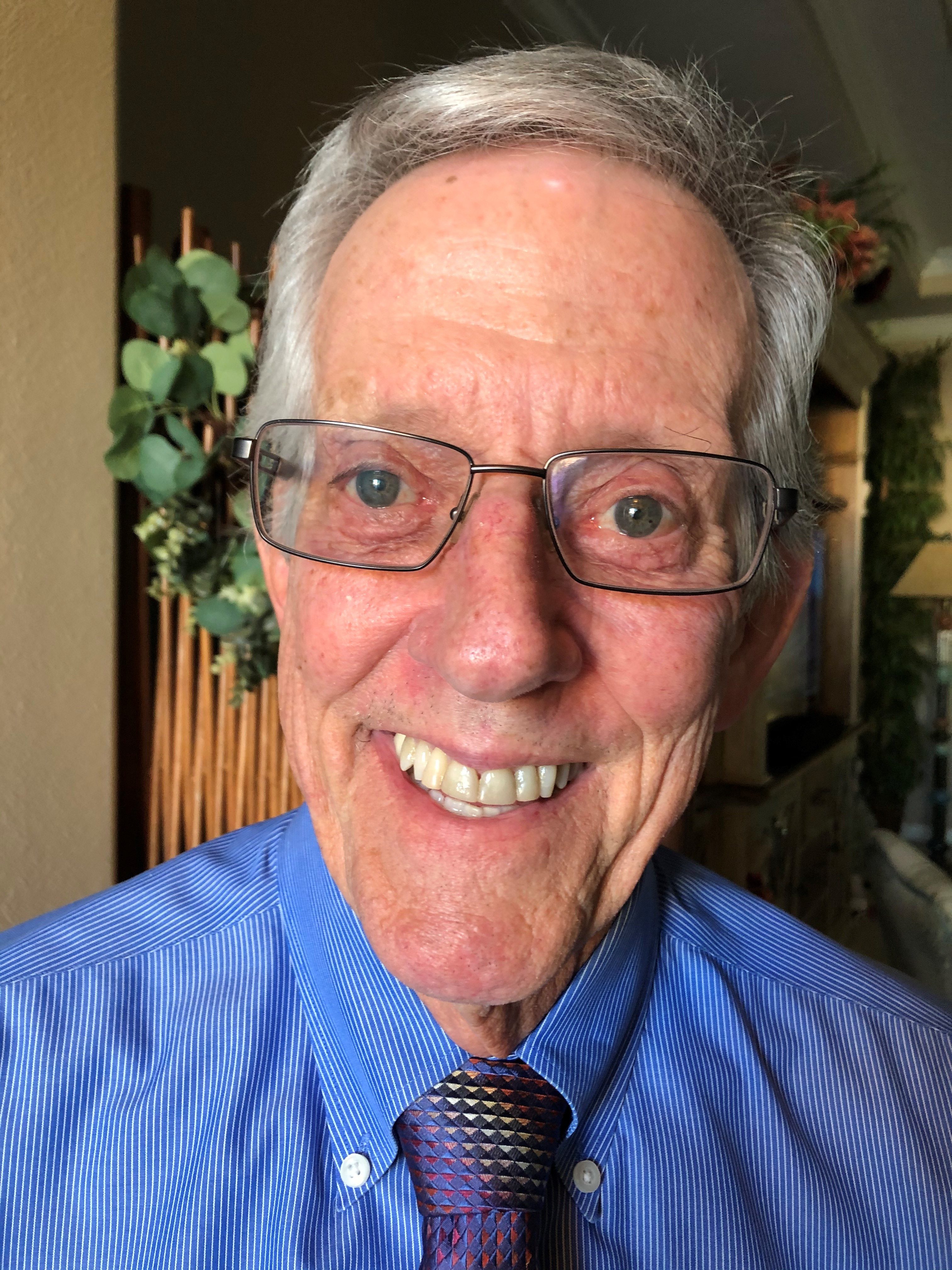
James Howard Turner began volunteering with Legal Aid of Manasota in 2013 and during the past seven years, he has donated more than 1,582 pro bono hours and has assisted 978 clients. Turner has aided in collections, evictions, contracts and general civil matters. Described as knowledgeable, compassionate and committed, Turner arrives at the Legal Aid office for a full day each week to meet with clients. Even during the COVID-19 pandemic, he works with clients in non-traditional ways in order to ensure they receive the services they desperately need. While Turner is inspiring and dedicated to providing equal access to justice in his community, he feels he is the one benefiting most from pro bono work. Turner says: “Pro bono advocacy has been the most fulfilling chapter of my legal life.” Turner earned his J.D. degree from the University of Detroit Mercy School of Law in 1977 and was admitted to the Michigan and Florida Bars in 1978. Since 2013, his legal practice, James Howard Turner, has been devoted to serving the most vulnerable underrepresented clients in Sarasota and Manatee counties through Legal Aid of Manasota.
Sarah E. Kay (photo)
13th Judicial Circuit (Hillsborough County)
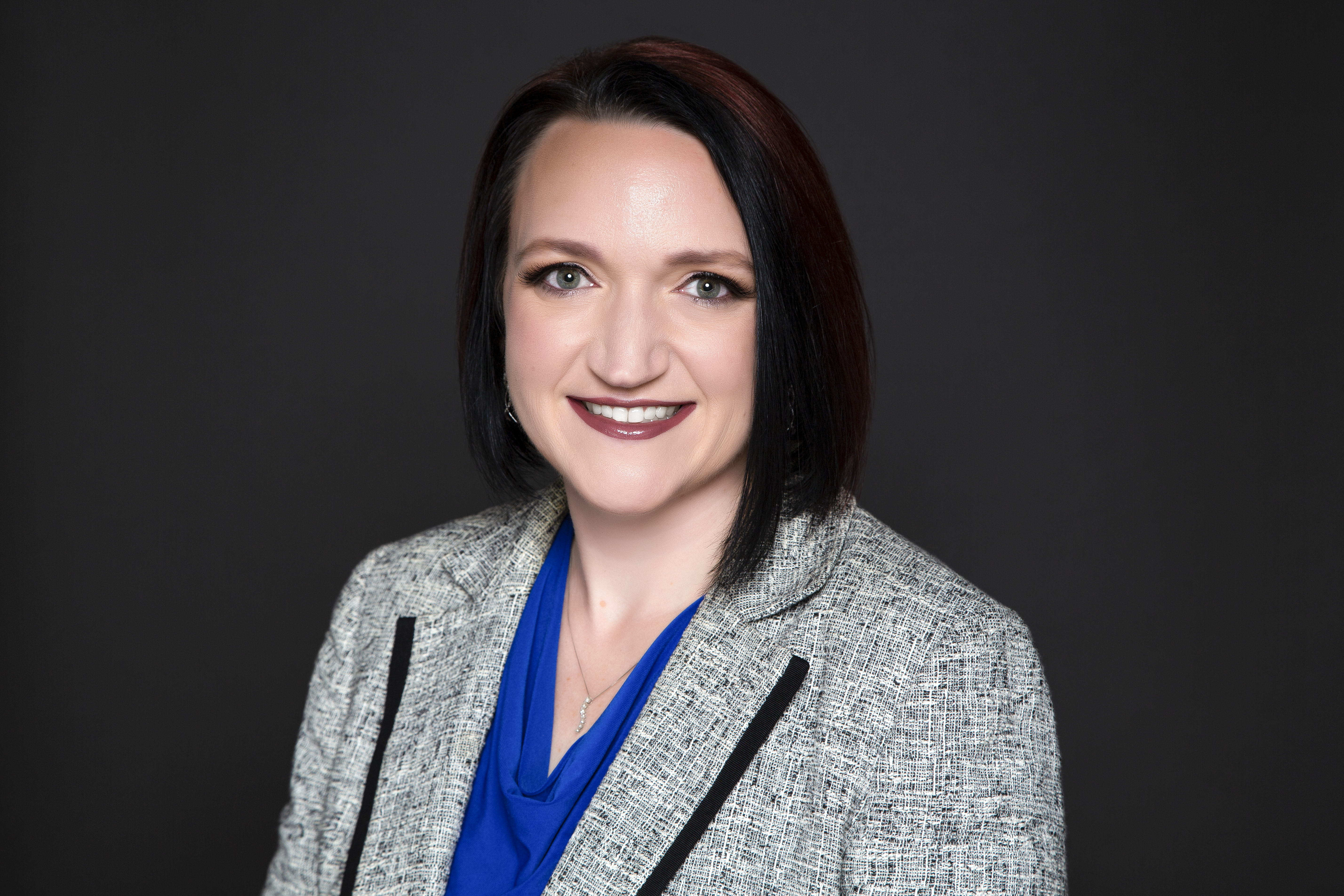
Sarah E. Kay has provided pro bono legal services through Bay Area Legal Services Volunteer Lawyer Program, the Hague Convention Attorney Network for International Child Abduction, and has offered pro bono legal services for referrals from the Council on American Islamic Relations Tampa Chapter. Kay has demonstrated a commitment to pro bono service throughout her legal career. She has at least one active pro bono case at all times. In total since 2010, Kay has performed more than 1,150 hours of pro bono service. She also encourages and supports others in providing pro bono service. When she first became an attorney, she completed the Domestic Violence Awareness Project training through the Hillsborough Association for Women Lawyers (HAWL) mentoring program, so she could assist domestic violence victims and supervise her HAWL mentees as they earned their legal pro bono hours. At Kay Family Law, PLLC, Kay who is Board Certified in Marital and Family Law, practices in the areas of family law and special needs law.
Cecile M. Scoon (photo)
14th Judicial Circuit (Bay, Calhoun, Gulf, Holmes, Jackson and Washington counties)

Cecile M. Scoon’s 36-year law career began as an assistant staff judge advocate for the U.S. Air Force before she established her own practice primarily handling employment discrimination cases and family law. For the past two years, she has been the first vice president of the League of Women Voters Florida and its Action Chair on Amendment 4. It is through those roles she established statewide training for attorneys to work with felons seeking to restore their voting rights. Although Florida voters approved an amendment to the Florida Constitution in 2018 to automatically restore felons’ voting rights after they complete their sentences, a law passed by the Legislature required that they also pay any fines and fees that were part of their sentences. Doing so proved difficult for many. The law, however, allowed felons to petition courts to modify their sentences. With that in mind, Scoon drafted a Continuing Legal Education course to teach attorneys how to work with felons to petition courts for modifications. Scoon also daily reviews questions from volunteer lawyers, researching legal questions that are not easy to answer and supervising two volunteers and a paid halftime employee who are focused on responding to citizen inquiries.
Jay D. Mussman (photo)
15th Judicial Circuit (Palm Beach County)
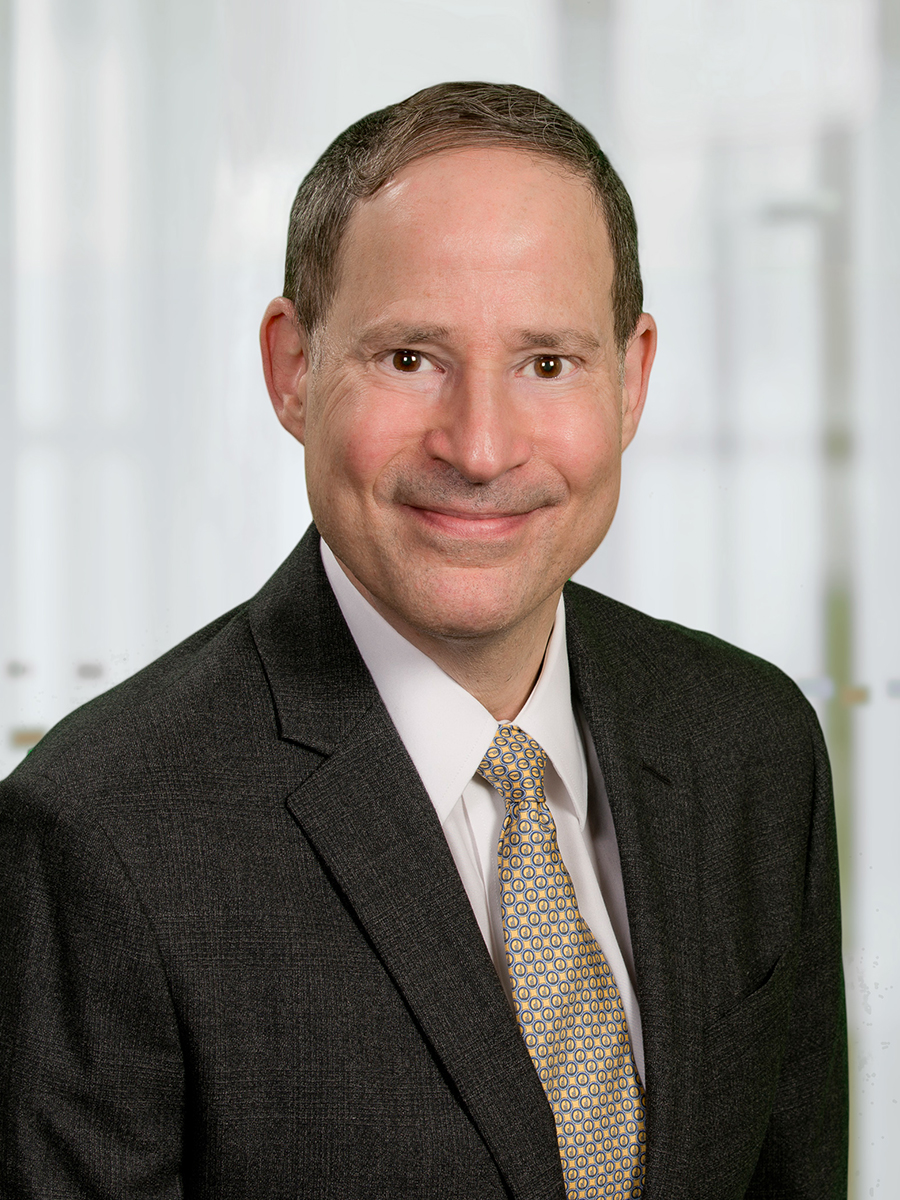
Jay D. Mussman, a senior counsel in Day Pitney’s Boca Raton office, leads the firm’s pro bono efforts in Florida and personally provides pro bono services primarily through the Legal Aid Society of Palm Beach County’s Low Income Taxpayer Clinic and Florida Rural Legal Services’ Low Income Taxpayer Clinic, both of which assist individuals involved in tax controversies with the IRS. Once he started practicing law in 1988, Mussman quickly became involved in pro bono activities working with Dade Legal Aid – Put Something Back. For two decades, Mussman remained active volunteering more than 430 hours in pro bono services, accepted numerous cases as a real property, probate, and trust law attorney, and led the initiative to build and expand their pro bono program. He even developed a mentoring program and actively recruited other pro bono attorneys. Through Florida Rural Legal Services, Mussman has provided since 2016 more than 600 hours through the Legal Aid Society of Palm Beach County and since April 2020 more than 135 hours through Florida Rural Legal Services. For Mussman, ensuring equal access to justice is at the core of what it means to be an attorney.
Joseph Mack (photo)
16th Judicial Circuit (Monroe County)
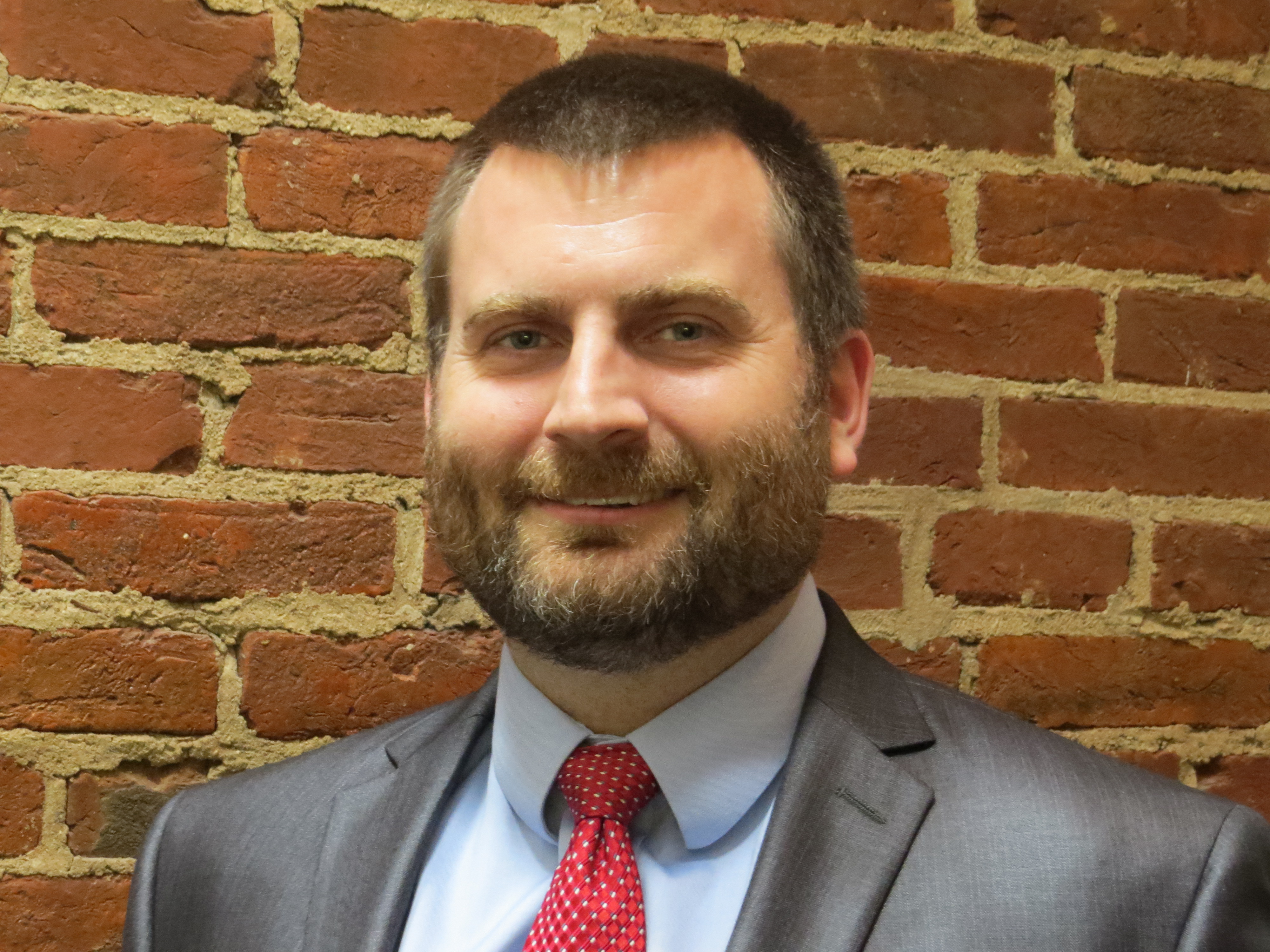
Joseph Mack joined The Florida Bar in 2019 but began volunteering through Legal Services of Greater Miami’s Pro Bono Program in Monroe County even before then. Having moved from Maryland, Mack was volunteering under the supervision of the Monroe County advocacy director before his Bar admission in October 2019. He had been practicing law in Maryland since 2005 and did not hesitate when told he had to perform his service under the supervision of an attorney in Florida. Immediately upon becoming a member of The Florida Bar, Mack put his years of experience advocating for low-income individuals to great use by helping Legal Services of Greater Miami. When COVID-19 paralyzed the rural communities of Monroe County, Mack assisted with Section 8 housing cases, landlord tenant cases, family law matters including child custody disputes, and assisting individuals with sealing/expungement and restoration of civil rights so that they can secure gainful employment. A fierce advocate for his clients and consumer rights, Mack dedicates his career to fighting injustice.
Jill Robin Ginsberg (photo)
17th Judicial Circuit (Broward County)

Jill Robin Ginsberg’s work ethic – whether in the field of law or the community – coupled with her altruism inspires many. Ginsberg is a volunteer with Legal Aid Service of Broward County working mainly with their MISSION UNITED Veterans Pro Bono Legal Project. The Project, in partnership with the United Way of Broward County, provides access to civil justice for military veterans. In 2015, Ginsberg won the 2015 Mission United Star Attorney Award. She averages more than 250 pro bono hours per year. Through her pro bono work, Ginsberg restored rights to a ward when his guardians refused; she helped restore people’s benefits; helped people maintain benefits when they were about to lose them; arranged a guardianship when a client had no one and there was no one to assist; and she probated for veterans to get the funds from estates when they could not access the funds. Ginsberg earned her J.D. degree from Brooklyn Law School in 1987 with a concentration in tax and family law. She is currently a partner attorney at Ginsberg Shulman in Fort Lauderdale.
Elizabeth Siano Harris (photo)
18th Judicial Circuit (Brevard and Seminole counties)

Elizabeth Siano Harris has more than 20 years’ experience drafting appellate briefs, resulting in authored opinions from the U.S. Court of Appeals, Eleventh Circuit; the Florida Supreme Court; and the District Courts of Appeal in Florida. Harris uses her knowledge and experience in the appellate court to volunteer with the Guardian ad Litem’s Defending Best Interests Project (DBI). She provides a persuasive voice for Florida’s dependent children, and her advocacy helps ensure their best interests are met. Harris has donated more than 70 hours of her time to brief three cases for the DBI Project. In addition to her work for the GAL Program, Harris has taken on several other pro bono cases through the Appellate Practice Section’s Pro Bono Committee, spending more than 100 hours on an important termination of parental rights case that reached the Florida Supreme Court and spending hundreds more hours on multiple appeals in the First and Third District Courts of Appeal. Harris attended the University of South Florida and graduated with her Bachelor of Arts in 1988 and earned her J.D. degree from Florida State University College of Law in 1991.
Kim A. Cunzo (photo)
19th Judicial Circuit (Indian River, Martin, Okeechobee and St. Lucie counties)

Kim A. Cunzo has volunteered through Florida Rural Legal Services (FRLS) accepting pro bono cases over the past 12 years. She has provided pro bono assistance to more than 80 clients through FRLS providing hundreds of hours of pro bono services. She provides all levels of pro bono services from counsel and advice to representing clients in complex legal matters. In 2018, Cunzo was instrumental in helping start the FRLS courthouse family law clinics where she volunteered to meet with clients at the courthouse to assist with advice and helping with pro se paperwork. She then helped FRLS in 2019 start a new Veterans Clinic in partnership with Indian River State College. When the pandemic hit, Cunzo continued to volunteer as FRLS transitioned the in-person clinics to remote clinics. She has accepted cases in areas such as adoption, alimony and child support, divorce, paternity, child custody and timesharing. Cunzo earned her undergraduate degree in 1998 at the University of South Florida and obtained her J.D. degree from St. Thomas University School of Law in 2002. She established the Cunzo Law Firm in 2009 in Fort Pierce.
Shanthy Balachanthiran (photo)
20th Judicial Circuit (Charlotte, Collier, Glades, Hendry and Lee counties)

Shanthy Balachanthiran has a passion to help those less fortunate inspired by the determination and success earned by her father when the family immigrated to the United States when she was four years old. Her commitment and her leadership in providing pro bono service is inspiring. As the Lee County Bar Association Pro Bono Committee chair, Balachanthiran has opened up various social service channels within the organization and community to expand opportunities and access for legal representation to the poor. Balachanthiran has offered free legal services and assistance to clients in the areas of landlord/tenant matters, disability rights, family law matters, federal tax controversy, consumer rights, and guardian advocacy. Besides the hours she has performed in pro bono service, she recruited more than 350-plus hours of pro bono assistance for a local legal services organization after training multiple attorneys in the areas of legal need. She has dedicated more than 250 hours over the years to providing pro bono legal services.
Dennis F. Fountain (photo)
Out-of-state
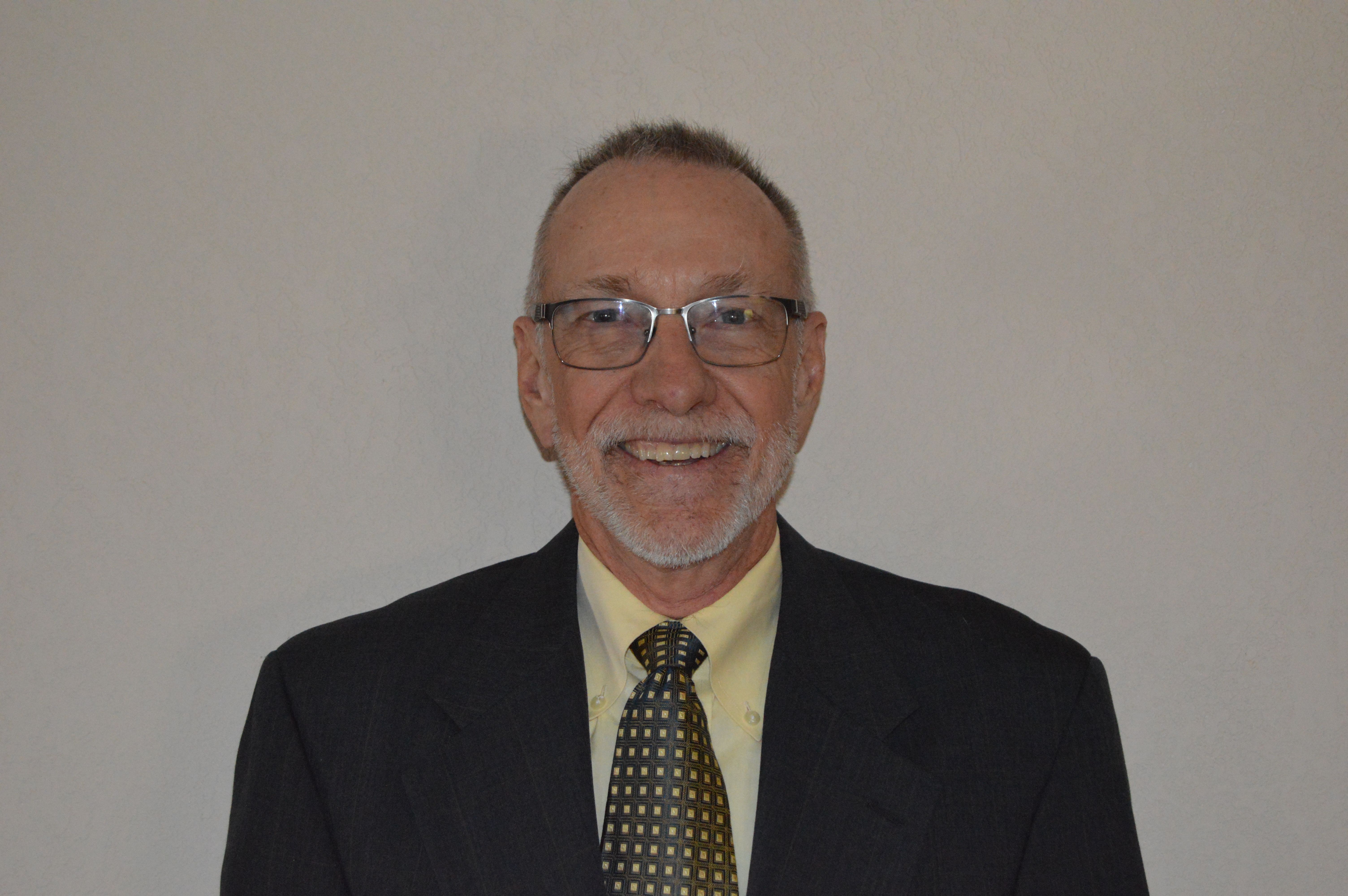
Dennis F. Fountain has an extensive record of pro bono volunteerism. Even now since he has closed his practice in Central Florida and retired to rural Virginia, he continues to help those in need through The Florida Free Legal Answers website, the state’s virtual legal clinic. The Florida Free Legal Answers site went live on May 1, 2017, and since then 10,716 questions have been asked and Fountain has answered 2,756 of them. Fountain has spent well more than 200 hours helping those in need. He has been referred to as a “workhorse” by The Florida Bar for being one of its most prolific performers on the Free Legal Answer site. Fountain does this pro bono service because for him, it’s the right thing to do. “No matter how small the injustice, I want to stop that level of injustice when I can,” said Fountain. “At least, I’ve touched some people’s lives in a valuable way, and they know it, and that makes me feel good.”
UPDATE FOR JURY TRIAL DATE OF FEBRUARY 17, 2021
Due to a scheduling conflict with Circuit business, the Chief Judge has canceled the holding of jury trials on February 17, 2021.
Zoom – The Best Thing To Happen To Mediation
January 2021
By: Mark Greenberg
Two months ago, my colleague, Maxwell Christianson, wrote an article titled, “Zoom – The Worst Thing to Happen to Mediation.” I respectfully disagree.
Our legal system accepts change slowly, and often begrudgingly. Video conferencing technology is a perfect example. Pre-COVID-19, I cannot think of any court that routinely allowed video conference attendance, other than criminal first appearances. Few, if any, Florida courtrooms even had the capacity for it. COVID-19 changed all of that. Our court system adapted to COVID-19 by allowing video conference hearings, usually via the Zoom platform. Now both Judges and Attorneys are big fans of Zoom hearings, to the point that few expect courts to revert to only in-person hearings after the pandemic. Attorneys have learned to conduct depositions remotely and mediations have occurred with the parties not “physically” present, some even thousands of miles apart. Our firm tracks our settlement rate and it is virtually identical (within 3 percentage points) between live and video mediations. Every mediator I have spoken to confirms the same; that Zoom is just as effective as live, in‑person mediations if cameras are on. Only when people are calling in, effectively transforming video mediations into telephone mediations, do settlement rates
There are some differences with video mediations, however. Zoom allows the parties to remain at home or their office, and in a more comfortable environment. This lets them focus on the case, but as Max points out, does not require them to “invest” in coming to the live mediation. Of course, with children at home for school and daycare limited, those with children find Zoom far more compatible to attending, rather than trying to arrange for safe child care in order to attend mediation. People are also far more comfortable at home than sitting inside a conference room with masks on for hours at a time. Max posits that in‑person mediations encourage the parties to stay longer, but I have found the opposite. It is far easier to pause a Zoom mediation for 30 minutes in order for a parent to pick up a child, than to have them drive an hour from live mediation to do so and then expect them to return. Further, no out of town parties have to catch a flight, placing a hard stop on mediation.
Otherwise, the same factors influence mediation whether by Zoom or live. Is there a trial date soon forcing a hard decision? Have the parties spent enough money that they are tired of attorney’s fees and wish to settle? Are the parties willing to compromise to move forward in their personal and/or business relationship? Would the parties prefer a certain result or an uncertain verdict? Have the attorneys adequately prepared their clients for mediation, including what are the realistic case outcomes should they not settle? None of these factors change when the parties are meeting by video conference as opposed to live. Indeed, sometimes having parties who do not get along physically separated can lead to a better mediation, not worse. Simply put, Zoom has allowed mediations to occur at different times, in different locations, and without the parties spending additional funds simply to attend.
With large corporations, video facilitates the actual decision maker participating in mediation, instead of a local representative who is less informed on the file. This is particularly true with surplus lines insurance companies who underwrite large risks nationwide. With video mediation, the mediator can speak directly with the actual decision maker, read their facial expressions and body language, answer their questions, develop rapport, and often facilitate a quicker and easier resolution of the case. In contrast, with live mediations attended by a local adjuster, the real decision maker enters the picture when the mediator leaves the room and the attorney picks up the telephone to call home office.
Are there times in‑person mediation is better? Of course. You cannot give a hug, apology, shake hands, break bread, or share tears over video. In cases where that will be of substantial assistance, in‑person mediation will be superior. If there is a concern that one or more parties is unlikely to be paying attention to the mediation (despite being on video), then in‑person would be a much better choice. In the majority of cases, however, Zoom mediations have resulted in lower costs, less travel for everyone, and have the same settlement rates as live mediations. It is the best thing to happen to mediation.
Mark Greenberg is the founder of Breakthrough Mediation and Arbitration. He is a successful trial attorney with over 100 verdicts, while representing both Plaintiffs and Defendants. He has a rare combination of First-Party Insurance Coverage and Third-Party Liability experience, along with business disputes, construction defects, community association, and family law matters. Mark has successfully mediated numerous disputes saving parties over $20 million dollars in legal fees.
PRESS RELEASE FROM THE CHIEF JUDGE’S OFFICE – JURY TRIAL SCHEDULE AMENDED
Please click here to view the press release.